
The Government of Ghana has reaffirmed its commitment to ending tuberculosis (TB) through strategic investments, strengthened partnerships, and expanded access to services, as the country commemorated World TB Day 2026 under the theme: “Yes! We Can End TB: Led by Countries, Powered by People.”
The event also marked the 20th anniversary of coordinated TB control efforts in Ghana and saw the active participation of health experts, development partners and advocates, prominent among which was Hon. Dr Mark Kurt Nawane, Chairman of the Parliamentary Select Committee on Health.
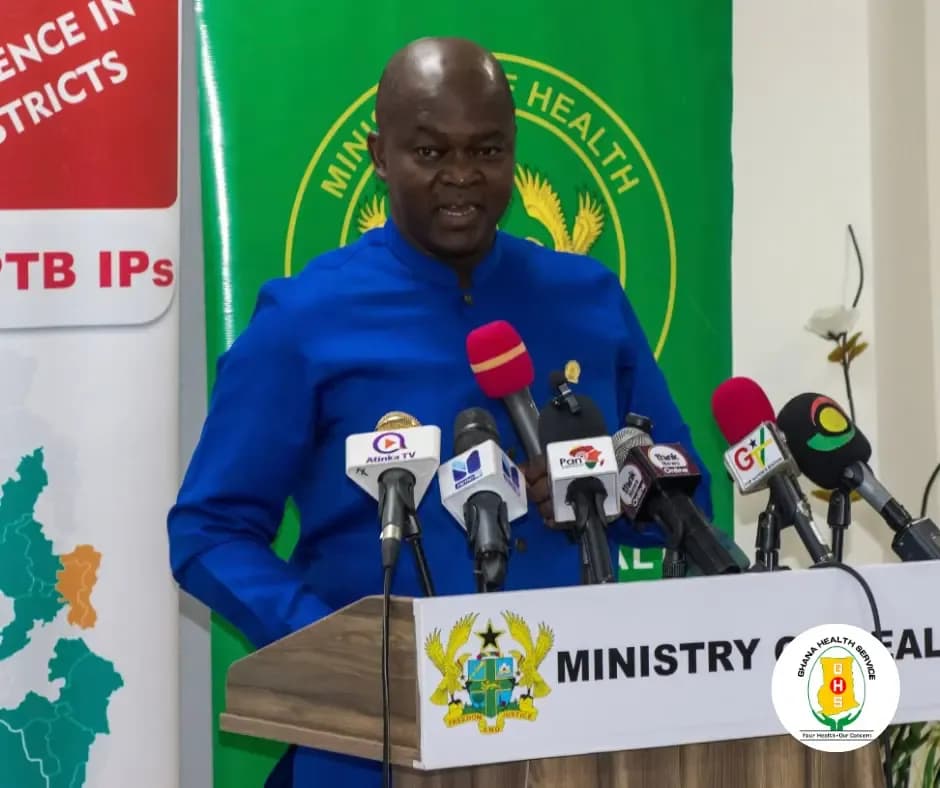
Delivering the keynote address, the Deputy Minister of Health, Dr. Grace Ayensu Danquah, speaking on behalf of the Minister, highlighted tuberculosis as a major public health concern that continues to affect many Ghanaians, particularly due to gaps in case detection.
She stressed the urgency of identifying all undiagnosed cases and ensuring that affected individuals are promptly initiated on treatment to halt transmission.
She outlined key government interventions to strengthen the national response, including the procurement of 15 GeneXpert, 10 digital X-RAY and other related accessories valued at nearly GHS 30 million to enhance diagnostic capacity across the country.
Dr. Ayensu Danquah also pointed to the Free Primary Healthcare Programme as a transformative initiative that will expand access to TB services at the community level and improve early detection and treatment outcomes.
The Deputy Minister further underscored the importance of community involvement in the fight against TB and commended ongoing collaborations, including support from the Netherlands Government–Oreo Partnership, which has facilitated the installation of 50 TB screening machines nationwide.
In his welcome address, the Director-General of the Ghana Health Service, Dr. Samuel Kaba Akoriyea, reaffirmed that tuberculosis remains both preventable and curable, and called for sustained collective action to eliminate the disease. He acknowledged the dedication of health workers and partners whose efforts have contributed to a notable increase in TB case detection in recent years.
Drawing inspiration from global figures such as Nelson Mandela and Desmond Tutu, he emphasized the importance of early diagnosis and adherence to treatment and expressed optimism that ongoing health sector reforms, particularly the Free Primary Healthcare initiative, will accelerate progress toward a TB-free Ghana.
Chairing the event, Barrister Chief Austin Arinze Obiefuna, Vice Chair of the STOP TB Partnership UNOPS in Geneva underscored the gravity of tuberculosis as one of the world’s deadliest infectious diseases while acknowledging Ghana’s steady progress in combating the disease over the past two decades.
While commending the strong commitment demonstrated by government and partners, he noted that such collaboration continues to position the country on the right path toward elimination. He further called for intensified efforts in domestic resource mobilisation, stronger political leadership, deeper community engagement, and increased investment in innovation.
He further expressed confidence in Ghana’s growing leadership in the global TB response and emphasized the need for inclusive strategies that ensure no one is left behind.
Development partners, including World Health Organization, The Aurum Institute, Stop TB Partnership and TB Voice Network, reiterated their continued support for Ghana’s TB response, highlighting the persistent global burden of tuberculosis while acknowledging Ghana’s steady progress, including a 21 percent reduction in TB incidence. Emphasis was placed on the importance of strong national leadership, sustained investment, and coordinated action to change the trajectory of the disease. The partners also commended the Ministry of Health and the Ghana Health Service for their commitment to improving TB outcomes and pledged continued technical and strategic support.
Providing a technical overview of the national response, the Programme Manager of the National TB Control Programme, Dr. Bernard Ziem, outlined Ghana’s performance in TB control, noting that while treatment success rates remain high, case detection continues to lag expected targets.
Dr. Ziem indicated that although ending TB is achievable, the current pace of progress is slow and requires intensified efforts, particularly in active case finding and diagnostic expansion. He called for increased investment and strengthened health system responsiveness to bridge existing gaps and accelerate progress toward elimination.
The Deputy Minister handed over the 10 AI- enabled Digital XRAY machines and 15 GeneXpert machines and their accessories to the National TB Programme as part of the commemoration ceremony